

How does a rooftop air conditioner compare to a split - system air conditioner?
Leave a message

When it comes to cooling commercial and large - scale residential spaces, two popular types of air conditioning systems often come into consideration: rooftop air conditioners and split - system air conditioners. As a supplier of rooftop air conditioners, I've witnessed firsthand the unique features and benefits of both systems. In this blog, I'll provide a detailed comparison to help you understand which option might be the best fit for your needs.
Installation and Space Requirements
One of the most significant differences between rooftop air conditioners and split - system air conditioners lies in their installation and space requirements.
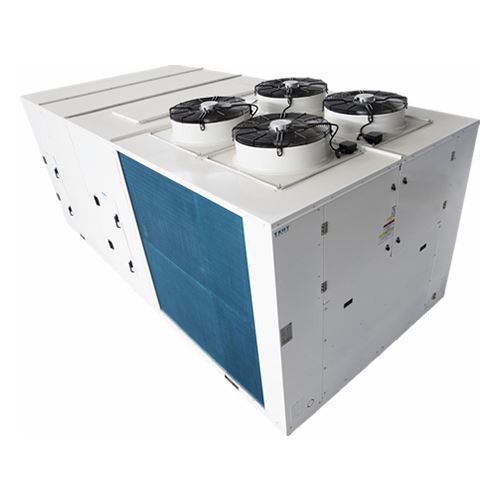
Rooftop air conditioners are designed to be installed on the roof of a building. This installation method offers several advantages. First, it frees up valuable indoor and ground - level space. For commercial buildings in urban areas where space is at a premium, having the air conditioning unit on the roof means that the ground floor can be used for more productive purposes, such as additional storage or office space. Second, rooftop installation reduces noise pollution inside the building. Since the unit is located outside, the noise generated by the compressor and fans is less likely to be heard indoors.
On the other hand, split - system air conditioners consist of an outdoor unit and one or more indoor units. The outdoor unit is typically installed on the ground or on a wall outside the building, while the indoor units are mounted on walls or ceilings inside the rooms. This setup requires some outdoor space for the installation of the outdoor unit. In addition, the indoor units need to be properly positioned and connected to the outdoor unit via refrigerant lines, which may require some drilling and routing through walls. This can be more complex and time - consuming compared to the installation of a rooftop air conditioner.
Cooling Capacity and Efficiency
Cooling capacity is another crucial factor to consider when comparing these two types of air conditioners.
Rooftop air conditioners are available in a wide range of cooling capacities, making them suitable for large commercial buildings, such as shopping malls, hospitals, and office complexes. They can provide high - volume cooling to meet the demands of large spaces. Moreover, modern rooftop air conditioners are equipped with advanced technologies to improve energy efficiency. For example, some rooftop air conditioners feature variable - speed compressors that can adjust the cooling output according to the actual cooling needs, reducing energy consumption. You can explore our Rooftop Return Air Conditioner, Rooftop Fresh Air Conditioner, and Rooftop Heat Recovery Air Conditioner to learn more about our high - capacity and energy - efficient models.
Split - system air conditioners, on the other hand, are generally more suitable for smaller spaces, such as individual rooms or small offices. They offer more flexibility in terms of zoning, allowing you to cool specific areas independently. However, when it comes to cooling large areas, multiple split - system units may be required, which can increase the overall cost and energy consumption. In addition, the efficiency of split - system air conditioners may be affected by factors such as the length of the refrigerant lines and the number of indoor units connected to the outdoor unit.
Maintenance and Serviceability
Maintenance is an important aspect of any air conditioning system, and the two types of air conditioners have different maintenance requirements.
Rooftop air conditioners are relatively easy to maintain. Since they are located on the roof, they are less likely to be damaged by external factors such as vandalism or accidental impact. In addition, most rooftop air conditioners are designed with easy - access panels, allowing technicians to perform routine maintenance and repairs quickly. Regular maintenance tasks for rooftop air conditioners include cleaning the coils, checking the refrigerant levels, and inspecting the electrical components.
Split - system air conditioners also require regular maintenance, but the process can be more complex. The indoor units need to be cleaned regularly to prevent the buildup of dust and dirt, which can affect the air quality and the performance of the unit. The outdoor unit also needs to be inspected for any signs of damage or blockage. Moreover, the refrigerant lines need to be checked for leaks, which can be more difficult to detect and repair compared to rooftop air conditioners.
Cost Considerations
Cost is often a determining factor when choosing an air conditioning system.
The initial cost of a rooftop air conditioner is generally higher than that of a split - system air conditioner. This is because rooftop air conditioners are larger and more complex, and they require specialized installation equipment and techniques. However, when considering the long - term cost, rooftop air conditioners can be more cost - effective. They have a longer lifespan, typically ranging from 15 to 20 years, compared to split - system air conditioners, which usually last for about 10 to 15 years. In addition, the energy - saving features of rooftop air conditioners can result in lower energy bills over time.
Split - system air conditioners have a lower initial cost, making them a more affordable option for small - scale applications. However, if you need to cool multiple rooms or a large area, the cost of purchasing and installing multiple split - system units can add up quickly.
Air Quality and Ventilation
Air quality is an important consideration, especially in commercial and public spaces.
Rooftop air conditioners can be designed to provide fresh air ventilation, which helps to improve the indoor air quality. They can draw in fresh air from the outside, filter it, and distribute it throughout the building. Some rooftop air conditioners, such as our Rooftop Fresh Air Conditioner, are specifically designed to meet the ventilation requirements of different buildings.
Split - system air conditioners, on the other hand, mainly recirculate the indoor air. While they can filter the air to some extent, they may not be able to provide the same level of fresh air ventilation as rooftop air conditioners. This can be a drawback in spaces where good air quality is essential, such as hospitals and schools.
Conclusion
In conclusion, both rooftop air conditioners and split - system air conditioners have their own advantages and disadvantages. Rooftop air conditioners are a great choice for large commercial buildings, offering high cooling capacity, energy efficiency, easy maintenance, and good air quality. Split - system air conditioners, on the other hand, are more suitable for small spaces and offer more flexibility in terms of zoning.

If you are considering installing a new air conditioning system or upgrading your existing one, I encourage you to contact us for a detailed consultation. Our team of experts can help you assess your needs and recommend the most suitable air conditioning solution for your building. Whether you choose a rooftop air conditioner or a split - system air conditioner, we are committed to providing you with high - quality products and excellent after - sales service.
References
ASHRAE Handbook of Heating, Ventilating, and Air - Conditioning Systems and Equipment.
Manufacturer's manuals for rooftop air conditioners and split - system air conditioners.


