

How to optimize the installation position for better performance of a ceiling air conditioning unit?
Leave a message

As a seasoned supplier of ceiling air conditioning units, I've witnessed firsthand how the installation position can significantly impact the performance of these systems. In this blog, I'll share some insights on how to optimize the installation position for better performance of a ceiling air conditioning unit.
Understanding the Basics of Ceiling Air Conditioning Units
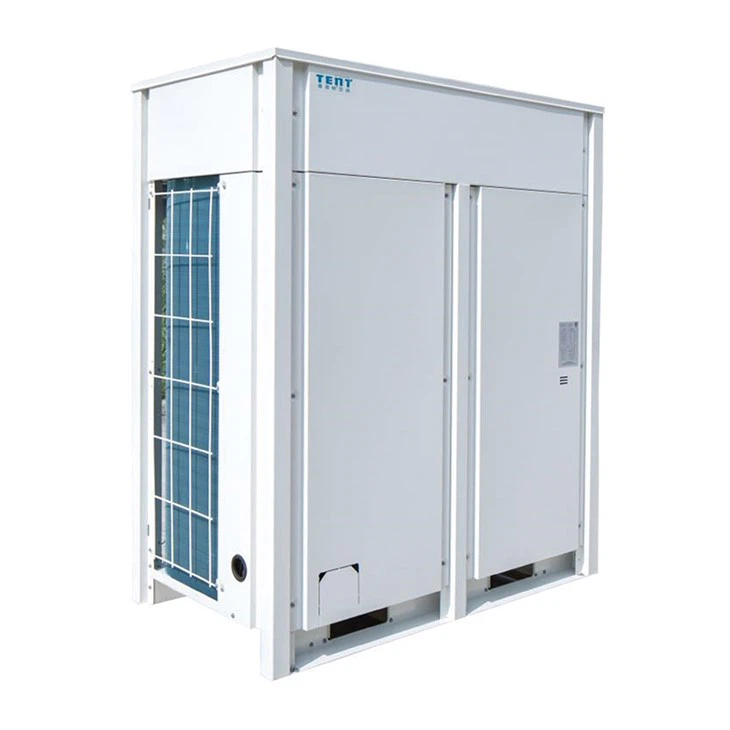
Before delving into the installation position, it's essential to understand the basic working principles of ceiling air conditioning units. These units are designed to cool or heat a large space efficiently by distributing conditioned air evenly across the room. They typically consist of an indoor unit installed on the ceiling and an outdoor unit that dissipates heat.
The indoor unit contains a blower, evaporator coil, and filter. The blower draws in warm air from the room, passes it over the evaporator coil where it is cooled or heated, and then distributes the conditioned air back into the room through the vents. The outdoor unit houses the compressor, condenser coil, and fan, which work together to remove heat from the refrigerant and release it into the atmosphere.
Factors to Consider When Choosing the Installation Position
Several factors need to be considered when choosing the installation position for a ceiling air conditioning unit. These factors can affect the unit's performance, energy efficiency, and lifespan.
Room Layout and Size
The layout and size of the room play a crucial role in determining the optimal installation position. The unit should be installed in a location that allows for maximum air circulation and coverage. For rectangular rooms, the unit is best installed in the center of the long wall to ensure even distribution of conditioned air. In square rooms, the unit can be installed in the center of the ceiling.
If the room has partitions or obstacles, such as furniture or columns, the installation position should be adjusted accordingly to avoid obstructing the airflow. The vents should be positioned to direct the conditioned air towards the areas that need it the most, such as seating areas or workstations.
Ceiling Height
The ceiling height also affects the installation position of the unit. For rooms with high ceilings, the unit should be installed closer to the ceiling to take advantage of the natural convection currents. This helps to distribute the conditioned air more effectively throughout the room. In rooms with low ceilings, the unit can be installed at a lower height to ensure that the conditioned air reaches the occupants.
Sun Exposure
Sun exposure can significantly impact the performance of the air conditioning unit. The unit should be installed away from direct sunlight to prevent the heat from the sun from entering the room and increasing the cooling load. If possible, the unit should be installed on the north or east side of the building, where it is less exposed to the sun.
Noise Level
The noise level of the air conditioning unit can be a concern, especially in areas where quiet operation is required, such as bedrooms or offices. The unit should be installed in a location that minimizes the noise transmission to the occupants. This can be achieved by installing the unit on a vibration isolation mount and using soundproofing materials around the unit.
Accessibility for Maintenance
The installation position should also allow for easy access to the unit for maintenance and servicing. The unit should be installed in a location that is easily reachable from the ground or a ladder. There should be enough space around the unit to allow for proper ventilation and maintenance.
Installation Tips for Optimal Performance
Once the installation position has been determined, the following tips can help ensure optimal performance of the ceiling air conditioning unit.
Proper Mounting
The unit should be mounted securely to the ceiling using the appropriate mounting hardware. The mounting brackets should be installed according to the manufacturer's instructions to ensure that the unit is level and stable. A level unit helps to prevent vibration and noise, which can affect the performance of the unit.
Correct Ductwork Installation
If the unit is connected to ductwork, the ductwork should be installed correctly to ensure proper airflow. The ducts should be sized appropriately to match the capacity of the unit and should be installed without any kinks or bends that can obstruct the airflow. The joints between the ducts should be sealed properly to prevent air leakage.
Filter Maintenance
Regular filter maintenance is essential for the optimal performance of the air conditioning unit. The filters should be cleaned or replaced regularly to remove dust, dirt, and other contaminants from the air. Dirty filters can reduce the airflow and efficiency of the unit, leading to increased energy consumption and reduced performance.
Refrigerant Charge
The refrigerant charge of the unit should be checked and adjusted regularly to ensure optimal performance. An incorrect refrigerant charge can affect the cooling or heating capacity of the unit and can also lead to compressor damage. The refrigerant charge should be checked by a qualified technician using the appropriate tools and equipment.
Benefits of Optimizing the Installation Position
Optimizing the installation position of the ceiling air conditioning unit can provide several benefits, including:
Improved Energy Efficiency
By installing the unit in the optimal position, the conditioned air can be distributed more effectively throughout the room, reducing the cooling or heating load and improving energy efficiency. This can result in lower energy bills and reduced environmental impact.
Enhanced Comfort
Proper installation of the unit ensures even distribution of conditioned air, eliminating hot and cold spots in the room and providing a more comfortable environment for the occupants.
Extended Lifespan
When the unit is installed in the optimal position and maintained properly, it is less likely to experience wear and tear, leading to an extended lifespan of the unit. This can save money on replacement costs in the long run.
Conclusion
As a supplier of ceiling air conditioning units, I understand the importance of optimizing the installation position for better performance. By considering factors such as room layout, ceiling height, sun exposure, noise level, and accessibility for maintenance, and following the installation tips, you can ensure that your ceiling air conditioning unit performs at its best.
If you're in the market for a ceiling air conditioning unit or need assistance with installation and optimization, I invite you to [contact me for a consultation]. Our team of experts can help you choose the right unit for your needs and ensure that it is installed in the optimal position for maximum performance.
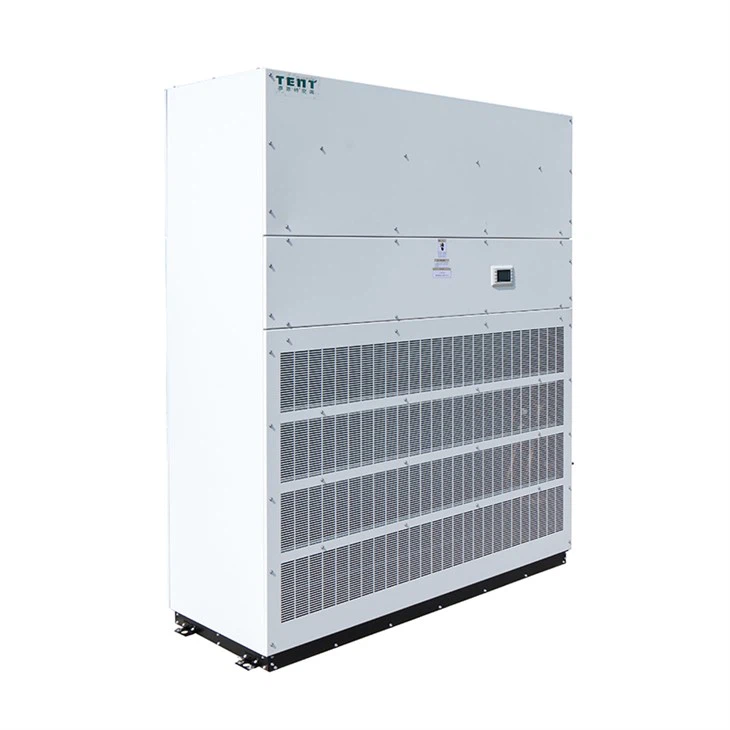
In addition to ceiling air conditioning units, we also offer a range of other air conditioning solutions, including the Vertical Cabinet Air Conditioning Unit. This unit is ideal for commercial and industrial applications where space is limited and high cooling capacity is required.
References
- ASHRAE Handbook - HVAC Systems and Equipment
- Manufacturer's installation and operation manuals for ceiling air conditioning units


