

How to troubleshoot the electrical problems of a combined air conditioning unit?
Leave a message

Hey there! As a supplier of combined air conditioning units, I've seen my fair share of electrical problems. In this blog, I'm gonna share some tips on how to troubleshoot these issues.
First off, let's understand the common electrical problems in a combined air conditioning unit. One of the most frequent issues is a blown fuse. Fuses are like the safety guards of your AC unit. When there's an electrical overload, the fuse blows to prevent damage to the other components. If your unit suddenly stops working, check the fuse box. Look for a fuse that's blackened or has a broken filament. Replacing a blown fuse is usually a straightforward fix. Just make sure to use a fuse with the same amperage rating as the original one.
Another common problem is a malfunctioning capacitor. Capacitors store and release electrical energy to help the compressor and fan motors start and run smoothly. If the capacitor is faulty, the motors may not start at all, or they might run inefficiently. You can tell if a capacitor is bad if it's swollen, leaking, or making a buzzing sound. Replacing a capacitor can be a bit tricky, so it's best to have a professional handle it.
Loose or damaged wiring is also a culprit. Over time, vibrations and wear and tear can cause wires to come loose or break. Check all the wiring connections in your AC unit. Make sure they're tight and there are no signs of fraying or burning. If you find any damaged wires, you'll need to replace them. But again, working with electrical wiring can be dangerous, so it's a good idea to get help from an expert.
Now, let's talk about how to test these components. For fuses, you can use a multimeter. Set the multimeter to the resistance or continuity setting. Touch the probes to the ends of the fuse. If the multimeter shows infinite resistance or no continuity, the fuse is blown.
To test a capacitor, you'll need a capacitor tester. This device will tell you if the capacitor is holding its charge correctly. If you don't have a capacitor tester, you can also use a multimeter set to the capacitance setting. However, this method is not as accurate.
When it comes to testing the wiring, you can use a voltage tester. This will help you determine if there's electricity flowing through the wires. Just be careful when using a voltage tester and follow all the safety instructions.
If you've checked all these components and still can't figure out the problem, it might be a more complex issue with the control board. The control board is like the brain of the AC unit, and it controls all the functions. If the control board is malfunctioning, it can cause all sorts of problems. In this case, it's definitely time to call in a professional technician.
In addition to these basic troubleshooting steps, it's also important to do regular maintenance on your combined air conditioning unit. Keep the unit clean and free of debris. Check the filters regularly and replace them when they're dirty. This will not only help prevent electrical problems but also improve the efficiency of your AC unit.
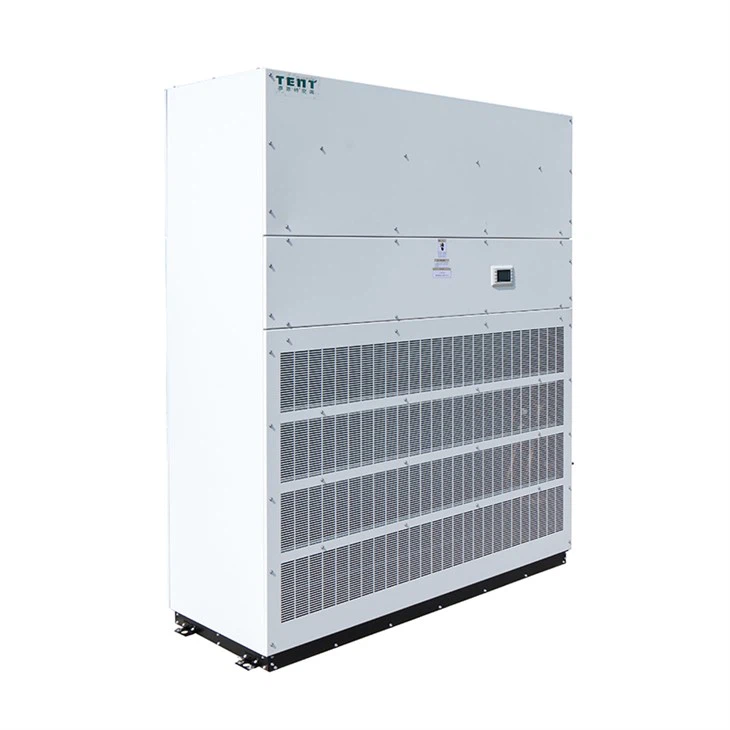
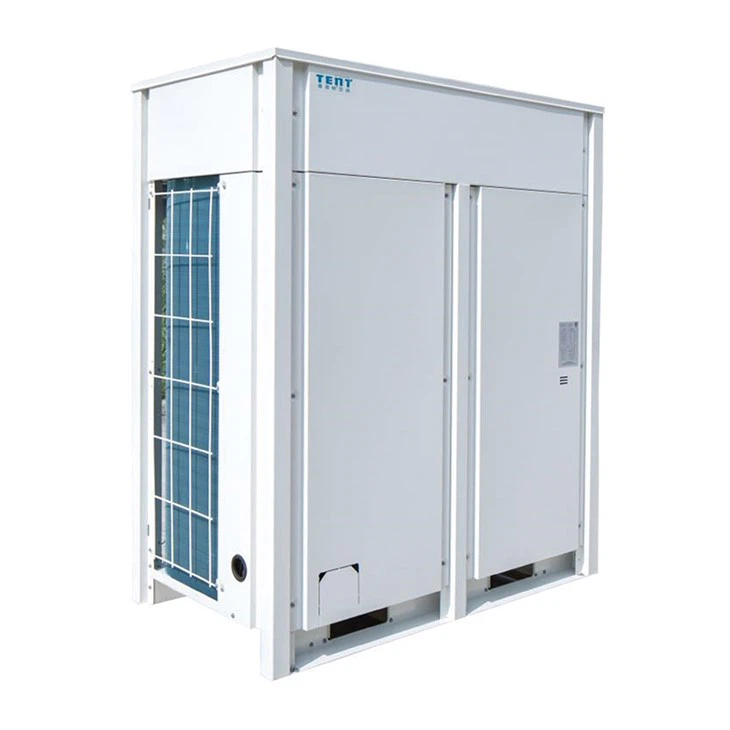
We offer a wide range of combined air conditioning units, including the Vertical Cabinet Air Conditioning Unit. These units are designed to provide reliable and efficient cooling for commercial and industrial spaces. If you're having any electrical problems with your current unit or if you're in the market for a new one, don't hesitate to contact us. We have a team of experts who can help you with all your air conditioning needs. Whether it's troubleshooting, installation, or maintenance, we've got you covered.
If you're interested in learning more about our products or have any questions about air conditioning electrical problems, feel free to reach out. We're always happy to assist you in finding the best solution for your space. Let's work together to keep your environment cool and comfortable.
References
- "HVAC Systems: Operation, Maintenance, and Troubleshooting" by R. Terry Walker
- "Electrical Troubleshooting for HVAC Technicians" by John Tomczyk


