

What is the communication protocol of a modular chiller control system?
Leave a message

Hey there! As a supplier of modular chillers, I often get asked about the communication protocol of a modular chiller control system. So, I thought I'd write this blog to shed some light on this topic.
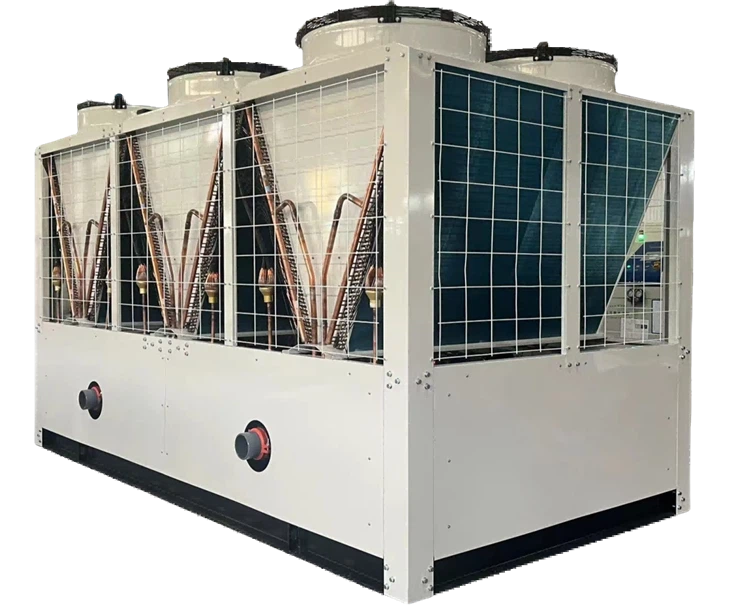
First off, let's understand what a modular chiller is. A modular chiller is a type of cooling system that consists of multiple smaller chiller units working together. It offers flexibility, energy - efficiency, and easier maintenance compared to traditional single - unit chillers. We offer different types of modular chillers like the [Air Cooled Scroll Chiller](/central - air - conditioning - host - series/modular - chiller/air - cooled - scroll - chiller.html), [Heat Pump Modular Chiller](/central - air - conditioning - host - series/modular - chiller/heat - pump - modular - chiller.html), and [Low Temperature & Strong Heating Modular Chiller](/central - air - conditioning - host - series/modular - chiller/low - temperature - strong - heating - modular.html).
Now, getting into the communication protocol. The communication protocol of a modular chiller control system is like the language that the different components of the chiller system use to talk to each other. It's crucial for the smooth operation of the entire system.
There are several common communication protocols used in modular chiller control systems. One of the most popular ones is Modbus. Modbus is an open - source protocol that's been around for a long time. It's relatively simple to implement, which makes it a favorite in many industrial applications, including modular chiller systems.
With Modbus, different modules in the chiller system can exchange data such as temperature readings, pressure levels, and operational status. For example, the compressor module can send information about its running time and power consumption to the main control unit via the Modbus protocol. The main control unit can then use this data to make decisions like adjusting the cooling capacity or shutting down a particular module if it's overheating.
Another well - known protocol is BACnet (Building Automation and Control network). BACnet is designed specifically for building automation systems. It allows for seamless integration of different building systems, including modular chillers, with other HVAC (Heating, Ventilation, and Air Conditioning) equipment, lighting systems, and security systems.
When a modular chiller system uses BACnet, it can communicate with other devices in the building to optimize energy consumption. For instance, if the building's occupancy sensors detect that a particular area is unoccupied, the chiller system can reduce the cooling in that area based on the information received through the BACnet network.
CAN (Controller Area Network) is also used in some modular chiller control systems. CAN is a robust protocol that's known for its high - speed data transfer and reliability. It's often used in automotive and industrial applications where real - time communication is essential.
In a modular chiller, CAN can be used to quickly transmit critical data between different modules. For example, in case of a sudden change in the cooling load, the CAN protocol can ensure that all the relevant modules receive the updated information almost instantly, allowing the system to respond rapidly and maintain the desired temperature.
The choice of communication protocol depends on several factors. One of the main factors is compatibility. The chiller system needs to be compatible with the existing building automation infrastructure. If the building already uses a particular protocol for other HVAC equipment, it makes sense to use the same protocol for the modular chiller to ensure seamless integration.
Cost is another important factor. Some protocols may require more expensive hardware or software for implementation. For a small - scale project, a simple and cost - effective protocol like Modbus might be the best choice. On the other hand, for a large commercial building with a complex automation system, the benefits of using a more advanced protocol like BACnet may outweigh the higher cost.
The level of control and monitoring required also influences the protocol selection. If you need to have detailed real - time monitoring of every single component in the chiller system, a protocol with high - speed data transfer and extensive data - sharing capabilities like CAN might be more suitable.

Let's talk a bit about how these communication protocols are implemented in our modular chiller systems. We make sure that our chillers are designed to be flexible when it comes to communication. Our engineering team has the expertise to configure the chiller to work with different protocols based on the customer's requirements.
When a customer orders a modular chiller from us, we first understand their building's existing automation system and the specific needs for control and monitoring. If they are using a particular protocol in their building, we can ensure that our chiller is set up to communicate using that protocol.

During the installation process, our technicians will carefully connect all the modules of the chiller and configure the communication settings. They will test the communication between the different components to make sure that everything is working properly.
Once the chiller is up and running, the communication protocol continues to play a vital role. It allows for remote monitoring and control. Our customers can use a central control system or even a mobile app to monitor the performance of the chiller, adjust settings, and receive alerts in case of any issues.
For example, if a temperature sensor in one of the modules detects an abnormal temperature rise, the system can send an alert to the customer's mobile device via the communication protocol. The customer can then log in to the control system and take appropriate action, like reducing the load on that module or shutting it down if necessary.
In addition to the technical aspects, the communication protocol also has an impact on the overall efficiency of the modular chiller system. A well - implemented protocol can ensure that the different modules work together in harmony, optimizing the cooling process and reducing energy consumption.
When the modules can communicate effectively, the system can adjust the operation of each module based on the actual cooling demand. This means that the chiller won't be running at full capacity when it's not necessary, which can lead to significant energy savings over time.
Moreover, the communication protocol helps in preventive maintenance. By continuously monitoring the data from all the modules, potential problems can be detected early. For example, if a module's power consumption starts to increase steadily, it could be a sign of a developing issue. The system can then alert the maintenance team, allowing them to address the problem before it causes a major breakdown.
So, if you're in the market for a modular chiller, don't overlook the importance of the communication protocol. It's a key factor that can affect the performance, efficiency, and ease of use of your chiller system.
We, as a modular chiller supplier, are committed to providing high - quality chillers with reliable communication protocols. Whether you need a [Air Cooled Scroll Chiller](/central - air - conditioning - host - series/modular - chiller/air - cooled - scroll - chiller.html), [Heat Pump Modular Chiller](/central - air - conditioning - host - series/modular - chiller/heat - pump - modular - chiller.html), or [Low Temperature & Strong Heating Modular Chiller](/central - air - conditioning - host - series/modular - chiller/low - temperature - strong - heating - modular.html), we can customize the communication settings to meet your specific needs.
If you're interested in learning more about our modular chillers or have any questions about the communication protocol, feel free to reach out to us for a detailed discussion. We're here to help you make the best choice for your cooling requirements.
References
- ASHRAE Handbook of HVAC Systems and Equipment
- Modbus Organization official documentation
- BACnet International official resources
- CAN in Automation (CiA) official publications


