

What is the impact of humidity on a combined air conditioning unit?
Leave a message

As a supplier of combined air conditioning units, I've witnessed firsthand the intricate relationship between humidity and the performance of these systems. Humidity, often overlooked, plays a pivotal role in how effectively a combined air conditioning unit operates, impacting not only its functionality but also the comfort and health of the occupants in the conditioned space.
Understanding Humidity and Its Measurement
Humidity refers to the amount of water vapor present in the air. There are two main ways to measure it: absolute humidity and relative humidity. Absolute humidity is the actual mass of water vapor per unit volume of air, while relative humidity is the ratio of the amount of water vapor in the air to the maximum amount the air could hold at a given temperature, expressed as a percentage.
Relative humidity is particularly important when discussing air conditioning because it affects how we perceive temperature. High relative humidity can make the air feel warmer than it actually is, as it inhibits the evaporation of sweat from our skin, which is our body's natural cooling mechanism. Conversely, low relative humidity can lead to dry skin, irritated eyes, and respiratory problems.
Impact of High Humidity on Combined Air Conditioning Units
Reduced Cooling Efficiency
When the humidity levels are high, a combined air conditioning unit has to work harder to cool the air. This is because the process of cooling involves removing heat from the air, and water vapor holds a significant amount of latent heat. As the unit tries to lower the temperature, it also has to condense the excess water vapor in the air, which requires additional energy. This increased workload can lead to higher energy consumption and reduced cooling efficiency, resulting in longer cooling times and potentially higher utility bills for the user.
Increased Wear and Tear
The extra effort required to remove moisture from the air can also cause increased wear and tear on the components of the air conditioning unit. The compressor, which is responsible for circulating the refrigerant and removing heat from the air, has to work more continuously and at higher pressures. This can lead to premature component failure, reduced lifespan of the unit, and increased maintenance costs. Additionally, the moisture in the air can cause corrosion and rust on the metal parts of the unit, further compromising its performance and durability.
Mold and Bacteria Growth
High humidity levels create an ideal environment for mold and bacteria to grow. When the air is saturated with moisture, it can condense on the surfaces inside the air conditioning unit, such as the evaporator coils and the drip pans. These damp surfaces provide a breeding ground for microorganisms, which can then be circulated throughout the conditioned space. Mold and bacteria not only pose a health risk to the occupants, causing allergies, respiratory problems, and other illnesses, but they can also clog the air filters and reduce the airflow, further affecting the performance of the air conditioning unit.
Impact of Low Humidity on Combined Air Conditioning Units
Dry Air Discomfort
While high humidity can be a problem, low humidity can also cause discomfort for the occupants in the conditioned space. When the relative humidity drops below a certain level, typically around 30%, the air becomes dry. Dry air can cause a variety of issues, including dry skin, chapped lips, itchy eyes, and a sore throat. It can also make the indoor environment feel colder than it actually is, as the lack of moisture in the air makes it easier for heat to be lost from our bodies.
Static Electricity Buildup
Low humidity can also lead to the buildup of static electricity. When the air is dry, there is less moisture to conduct electricity, allowing static charges to accumulate on surfaces and objects. This can cause annoying shocks when touching metal objects or other people, and it can also damage sensitive electronic equipment. In a commercial or industrial setting, static electricity can be a particular concern, as it can disrupt the operation of electronic devices and cause production delays.
Increased Energy Consumption for Humidification
In some cases, when the humidity levels are too low, it may be necessary to add moisture to the air using a humidifier. This can increase the energy consumption of the overall HVAC system, as the humidifier requires additional energy to operate. Additionally, improper use of a humidifier can lead to over-humidification, which can then cause the problems associated with high humidity, such as mold growth and reduced cooling efficiency.
Maintaining Optimal Humidity Levels with Combined Air Conditioning Units
Humidity Control Features
Many modern combined air conditioning units are equipped with humidity control features that allow them to maintain optimal humidity levels in the conditioned space. These features can include built-in humidistats, which measure the relative humidity and automatically adjust the operation of the unit to maintain a set humidity level. Some units also have dehumidification modes, which can be used to remove excess moisture from the air when the humidity levels are high.
Proper Sizing and Installation
Proper sizing and installation of the combined air conditioning unit are also crucial for maintaining optimal humidity levels. An undersized unit may not be able to remove enough moisture from the air, while an oversized unit may cycle on and off too frequently, not allowing enough time for the moisture to be removed. Additionally, proper installation ensures that the unit is properly sealed and insulated, preventing air leaks and moisture infiltration, which can affect the humidity levels in the conditioned space.
Regular Maintenance
Regular maintenance of the combined air conditioning unit is essential for ensuring its optimal performance and humidity control. This includes cleaning or replacing the air filters regularly to prevent clogging and ensure proper airflow, checking and cleaning the evaporator coils and drip pans to prevent mold and bacteria growth, and inspecting the refrigerant levels and other components to ensure they are functioning properly. By keeping the unit in good condition, it can operate more efficiently and effectively, maintaining the desired humidity levels in the conditioned space.
Conclusion
As a supplier of combined air conditioning units, I understand the importance of humidity control in ensuring the comfort, health, and efficiency of these systems. Whether it's dealing with the challenges of high humidity, such as reduced cooling efficiency and mold growth, or the issues associated with low humidity, such as dry air discomfort and static electricity buildup, it's essential to have a comprehensive understanding of how humidity affects the performance of the unit.
By choosing a combined air conditioning unit with humidity control features, ensuring proper sizing and installation, and performing regular maintenance, users can maintain optimal humidity levels in their indoor spaces, improving the comfort and health of the occupants while also reducing energy consumption and extending the lifespan of the unit.
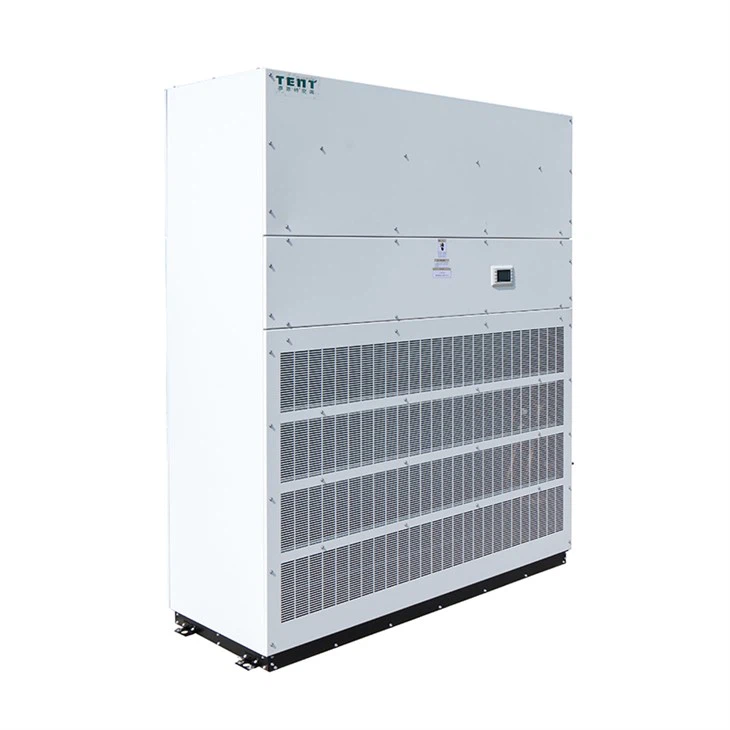
If you're interested in learning more about how our Vertical Cabinet Air Conditioning Unit can help you maintain optimal humidity levels in your commercial or industrial space, please don't hesitate to contact us for a consultation. We're here to provide you with the best solutions for your air conditioning needs.
References
- ASHRAE Handbook of Fundamentals. American Society of Heating, Refrigerating and Air-Conditioning Engineers.
- "Humidity and Your Health." Mayo Clinic.
- "The Effects of Humidity on Air Conditioning Systems." HVAC School.


