

What is the lubrication system of an air cooled scroll chiller?
Leave a message

As a supplier of air cooled scroll chillers, I've had the privilege of delving deep into the intricacies of these remarkable cooling systems. One aspect that often goes unnoticed but is of utmost importance is the lubrication system. In this blog, I'll take you on a journey to understand what the lubrication system of an air cooled scroll chiller is, how it works, and why it's crucial for the chiller's performance.
The Basics of an Air Cooled Scroll Chiller
Before we dive into the lubrication system, let's briefly touch on what an air cooled scroll chiller is. An air cooled scroll chiller is a type of refrigeration system used to cool water or other fluids. It consists of a compressor, condenser, evaporator, and expansion valve. The compressor is the heart of the chiller, responsible for compressing the refrigerant gas and circulating it through the system.
The scroll compressor, in particular, is a key component in air cooled scroll chillers. It uses two interleaving scrolls to compress the refrigerant. One scroll is fixed, while the other orbits around it, creating a series of crescent-shaped compression chambers. As the refrigerant is compressed, its temperature and pressure increase, allowing it to release heat in the condenser and absorb heat in the evaporator.
What is the Lubrication System?
The lubrication system in an air cooled scroll chiller plays a vital role in ensuring the smooth operation and longevity of the compressor. It serves several important functions:
1. Reducing Friction
The moving parts in the compressor, such as the scrolls and bearings, experience significant friction during operation. Lubrication helps to reduce this friction, minimizing wear and tear on the components. By reducing friction, the lubricant also helps to improve the efficiency of the compressor, as less energy is wasted overcoming resistance.
2. Sealing
The lubricant forms a thin film between the moving parts, creating a seal that prevents refrigerant leakage. This is particularly important in the scroll compressor, where a tight seal is necessary to maintain the compression ratio and ensure efficient operation.
3. Cooling
During compression, the refrigerant gas heats up. The lubricant helps to carry away this heat, preventing the compressor from overheating. By maintaining a proper operating temperature, the lubrication system helps to extend the life of the compressor and prevent damage due to thermal stress.
4. Noise Reduction
Friction between moving parts can generate noise. The lubricant helps to dampen this noise, creating a quieter operating environment. This is especially important in applications where noise levels need to be kept to a minimum, such as in commercial buildings or hospitals.
Components of the Lubrication System
The lubrication system in an air cooled scroll chiller typically consists of the following components:
1. Oil Sump
The oil sump is a reservoir located at the bottom of the compressor. It stores the lubricating oil and provides a constant supply to the moving parts. The oil sump is designed to ensure that the oil remains at the proper level and is free from contaminants.
2. Oil Pump
The oil pump is responsible for circulating the lubricating oil throughout the compressor. It draws oil from the oil sump and delivers it to the various components that require lubrication, such as the bearings and scrolls. The oil pump is usually driven by the compressor shaft, ensuring that it operates in sync with the compressor.
3. Oil Filter
The oil filter is an important component of the lubrication system. It removes contaminants, such as dirt, metal particles, and debris, from the oil. By keeping the oil clean, the filter helps to prevent damage to the compressor components and extends the life of the lubricant.
4. Oil Cooler
In some air cooled scroll chillers, an oil cooler is used to maintain the proper temperature of the lubricating oil. The oil cooler removes heat from the oil, preventing it from overheating and losing its lubricating properties. This is particularly important in applications where the compressor operates under high loads or in hot environments.
How the Lubrication System Works
The lubrication system in an air cooled scroll chiller operates in a continuous cycle. Here's a step-by-step overview of how it works:
1. Oil Circulation
The oil pump draws oil from the oil sump and delivers it to the various components that require lubrication. The oil is distributed through a network of passages and channels within the compressor.
2. Lubrication of Moving Parts
As the oil circulates through the compressor, it coats the moving parts, such as the scrolls and bearings, with a thin film of lubricant. This film reduces friction and wear, ensuring smooth operation.
3. Heat Transfer
The lubricant absorbs heat from the moving parts and carries it away. In some cases, the oil may pass through an oil cooler to further reduce its temperature before returning to the oil sump.
4. Contaminant Removal
The oil filter removes contaminants from the oil as it circulates through the system. This helps to keep the oil clean and prevent damage to the compressor components.
5. Return to the Oil Sump
After lubricating the moving parts and transferring heat, the oil returns to the oil sump. From there, the cycle begins again.
Importance of Proper Lubrication
Proper lubrication is essential for the reliable operation and longevity of an air cooled scroll chiller. Here are some key reasons why:
1. Improved Efficiency
By reducing friction and wear, proper lubrication helps to improve the efficiency of the compressor. This translates into lower energy consumption and cost savings over the life of the chiller.
2. Extended Component Life
Lubrication helps to protect the compressor components from damage due to friction, wear, and heat. By extending the life of the components, proper lubrication reduces the need for costly repairs and replacements.
3. Reliable Operation
A well-lubricated compressor is less likely to experience breakdowns and malfunctions. This ensures reliable operation of the chiller, minimizing downtime and disruption to your business.
4. Compliance with Warranty Requirements
Most manufacturers require proper lubrication as a condition of the warranty. By following the manufacturer's recommendations for lubrication, you can ensure that your chiller remains covered by the warranty.

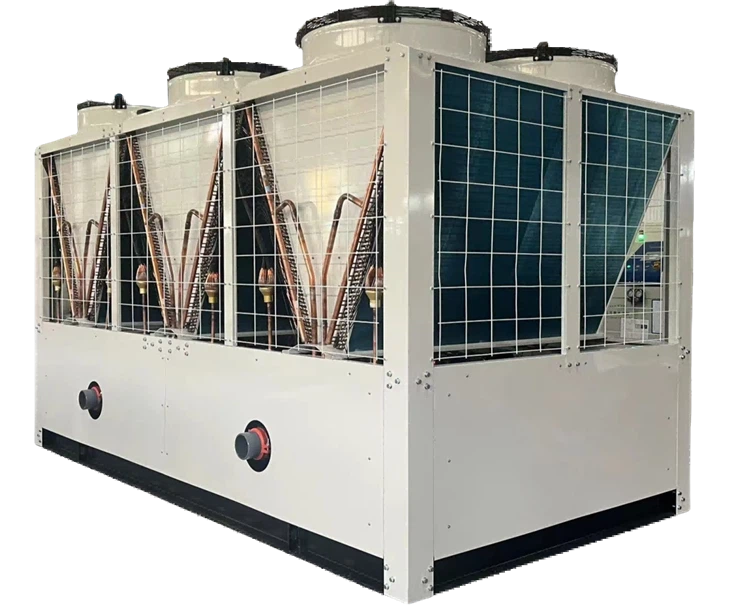
Our Product Offerings
At our company, we offer a range of high-quality air cooled scroll chillers designed to meet the diverse needs of our customers. Our chillers are equipped with advanced lubrication systems that ensure reliable operation and long service life.
In addition to our standard air cooled scroll chillers, we also offer Low Temperature & Strong Heating Modular Chiller and Heat Pump Modular Chiller options. These chillers are designed to provide efficient cooling and heating solutions for a variety of applications.
If you're interested in learning more about our Air Cooled Scroll Chiller or any of our other products, we encourage you to contact us. Our team of experts is available to answer your questions and help you find the right solution for your needs.
Conclusion
The lubrication system is a critical component of an air cooled scroll chiller. It plays a vital role in reducing friction, sealing, cooling, and noise reduction, ensuring the smooth operation and longevity of the compressor. By understanding how the lubrication system works and the importance of proper lubrication, you can make informed decisions about the maintenance and operation of your chiller.
If you're in the market for an air cooled scroll chiller or need assistance with your existing system, don't hesitate to contact us. We're here to help you find the right solution for your needs and ensure the reliable operation of your equipment.
References
- ASHRAE Handbook - Refrigeration
- Compressor Manufacturer's Technical Manuals
- Industry Standards and Guidelines for Chiller Lubrication


