

What Is the Difference Between RTU and HVAC?
Leave a message
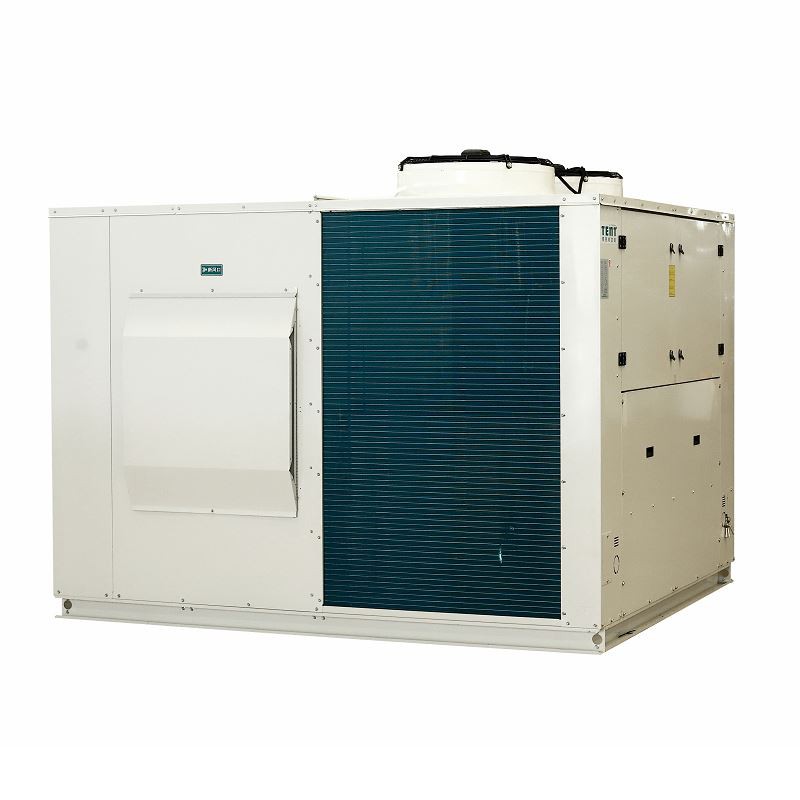
In today's building design and construction landscape, choosing the right climate control system is critical-especially for commercial and residential projects. HVAC systems come in various forms, and one popular variant is the RTU, or Rooftop Unit. While both RTUs and traditional HVAC systems serve the purpose of heating, cooling, and ventilating spaces, they differ significantly in configuration, installation, and application.
Whether you're evaluating a residential rooftop AC unit or a commercial rooftop AC unit, understanding the key differences between a rooftop air conditioner (RTU) and other HVAC configurations can help you make informed purchasing decisions that align with project requirements, energy efficiency goals, and long-term maintenance strategies.
Definition of HVAC
HVAC stands for Heating, Ventilation, and Air Conditioning. An HVAC system is designed to regulate indoor temperature, humidity, and air quality. It can consist of separate components or be integrated into a centralized system. Depending on the structure and its needs, HVAC setups include:
• Split systems (indoor and outdoor units)
• Central HVAC systems
• Ductless mini-split systems
• VRF (Variable Refrigerant Flow) systems

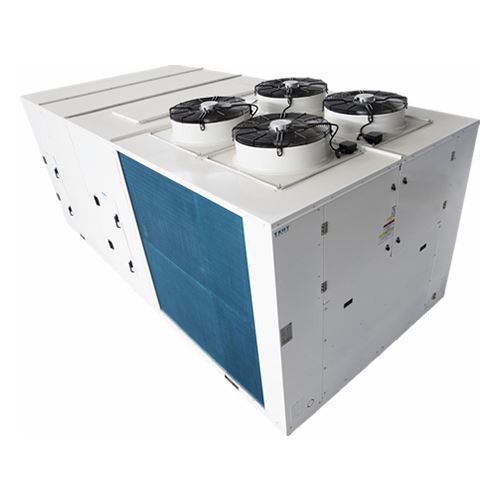
HVAC systems are used in residential homes, office buildings, factories, shopping malls, schools, and hospitals. The configuration varies depending on space availability, energy efficiency requirements, and the scale of usage. HVAC units can be installed inside ceilings, along walls, or outside on the ground or roof.
What is an RTU (Rooftop Unit)?
RTU Explained
An RTU, or rooftop AC unit, is a type of packaged HVAC system where all the components are assembled in a single unit. This "all-in-one" configuration includes the air handler, compressor, condenser, and evaporator coil. As the name suggests, RTUs are installed on rooftops, making them a roof mounted air conditioner option.
This system is often referred to as a roof top air conditioner, designed for easy integration into existing ductwork from above the building.
Components of a Rooftop AC Unit
• A standard rooftop air conditioner unit contains:
• A fan to circulate air
• Evaporator and condenser coils
• A compressor for refrigerant cycling
• Dampers for fresh air intake
• Integrated filters and heating elements
This modular design streamlines installation and maintenance while reducing on-site labor time.
Common Use Cases
RTUs are widely used in commercial buildings such as:
• Retail stores
• Schools and universities
• Warehouses and distribution centers
• Office buildings
Thanks to their centralized rooftop placement, RTUs optimize floor space and provide discreet, reliable climate control-especially in large facilities.
Key Differences Between RTU and Traditional HVAC Systems
Installation Location
RTU: Installed on the rooftop, ideal for maximizing interior space.
HVAC: May have components distributed throughout the building, including indoor units, wall mounts, or exterior ground-level compressors.
01
System Integration
RTU: Packaged and pre-configured by the manufacturer. Faster to install.
HVAC: Often requires multiple units to be installed and connected, increasing setup complexity.
02
Maintenance and Accessibility
RTU: Centralized on the roof-technicians can service the unit without entering occupied spaces.
HVAC: Service might require access to various parts of the building, which can disrupt occupants.
03
Application Suitability
RTU: Best suited for large commercial spaces, offering scalable capacity. The commercial rooftop AC unit design helps reduce interior mechanical room needs.
HVAC: Flexible for both small-scale and multi-room residential setups, such as homes using a residential rooftop AC unit or indoor split units.
04
Pros and Cons Comparison Table
|
Feature |
RTU (Rooftop AC Unit) |
Traditional HVAC |
|
Installation |
Easy, roof-mounted |
Flexible, more components |
|
Cost Efficiency |
Lower labor costs |
Higher initial labor |
|
Footprint |
Saves indoor space |
Requires indoor/outdoor setup |
|
Maintenance |
Centralized access |
Scattered components |
|
Ideal Use |
Large commercial buildings |
Homes, offices, variable-scale |
types of CNC machining
Building Type and Size
Large facilities with flat roofs are ideal for RTUs. Small homes or buildings with limited rooftop access may benefit more from traditional HVAC systems.
Energy Efficiency Requirements
Modern roof top air conditioner systems often include economizers, smart thermostats, and variable-speed components to enhance efficiency. Traditional HVAC systems can also achieve high efficiency, but may require more extensive zoning and control systems.
Long-Term Operational Costs
RTUs generally offer lower maintenance costs due to easier access and unified components. Traditional HVAC systems might have longer lifespans in residential settings but may require higher service frequency due to scattered component placement.
Conclusion
Both RTUs and traditional HVAC systems play vital roles in indoor climate control-but they cater to different project needs. RTUs, as packaged rooftop air conditioner systems, are space-efficient, easy to install, and ideal for commercial use. On the other hand, traditional HVAC systems offer modular flexibility and better fit diverse residential applications.
Whether you're sourcing a roof mounted air conditioner for a commercial complex or a residential rooftop AC unit for a housing project, understanding the unique advantages of each system type is essential for cost-effective, high-performance climate control.


