

How does a combined air conditioning unit control humidity?
Leave a message

Hey there! I'm a supplier of combined air conditioning units, and today I wanna chat about how these nifty machines control humidity. It's a topic that's super important, especially if you're looking to create a comfortable and healthy indoor environment.
First off, let's understand why humidity control matters. When the air in your space is too humid, it can feel sticky and uncomfortable. It can also lead to problems like mold growth, which is not only a hassle to deal with but can also be bad for your health. On the other hand, if the air is too dry, it can cause issues like dry skin, irritated eyes, and respiratory problems. So, finding that sweet spot is key.
So, how does a combined air conditioning unit step in to handle this? Well, it all boils down to some pretty cool science and a few key components.
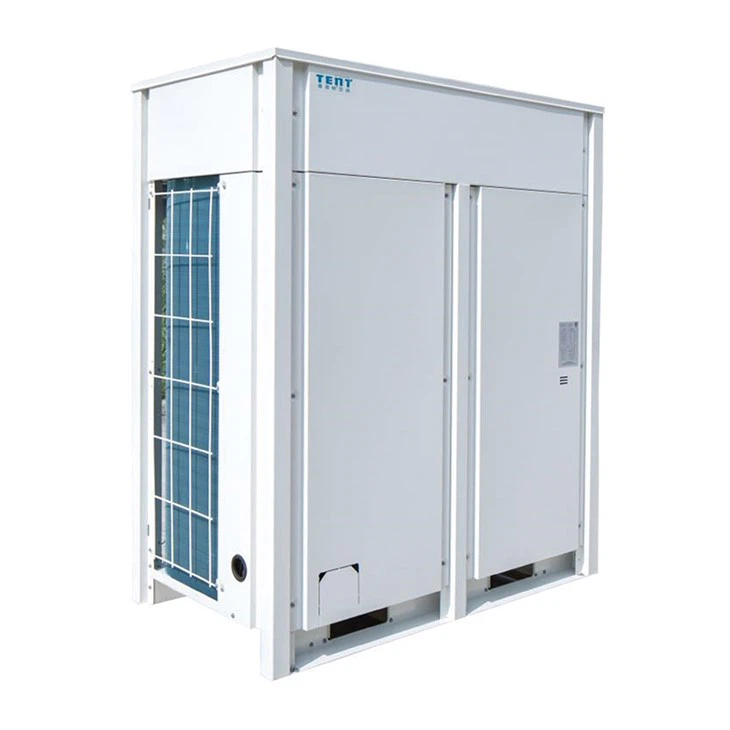
One of the main ways a combined air conditioning unit controls humidity is through the process of condensation. You see, when warm, moist air passes over the cold evaporator coils inside the unit, the moisture in the air condenses into water droplets. This is similar to what happens when you take a cold drink out of the fridge on a hot day, and the outside of the glass gets all wet.
The evaporator coils are designed to be really cold. As the air moves over them, the temperature of the air drops rapidly. When the air cools down, it can't hold as much moisture, so the excess moisture turns into liquid water. This water then drips down into a drain pan and is either drained away or collected for further use in some systems.
But it's not just about making the air cold. A good combined air conditioning unit also has to be able to regulate the temperature and humidity levels precisely. That's where the controls come in. Most modern units come with sensors that can detect the temperature and humidity in the room. These sensors send signals to the unit's control board, which then adjusts the operation of the compressor, fans, and other components to maintain the desired humidity level.
For example, if the humidity is too high, the control board might tell the compressor to work harder to cool the air more quickly, which in turn increases the amount of condensation and reduces the humidity. On the other hand, if the humidity is too low, the unit might adjust the fan speed or the temperature settings to add a bit more moisture back into the air.
Another important component in humidity control is the air filter. A high - quality air filter not only helps to remove dust and other particles from the air but can also play a role in humidity management. Some filters are designed to trap moisture as well as contaminants. This can help to reduce the overall humidity in the air as it passes through the unit.
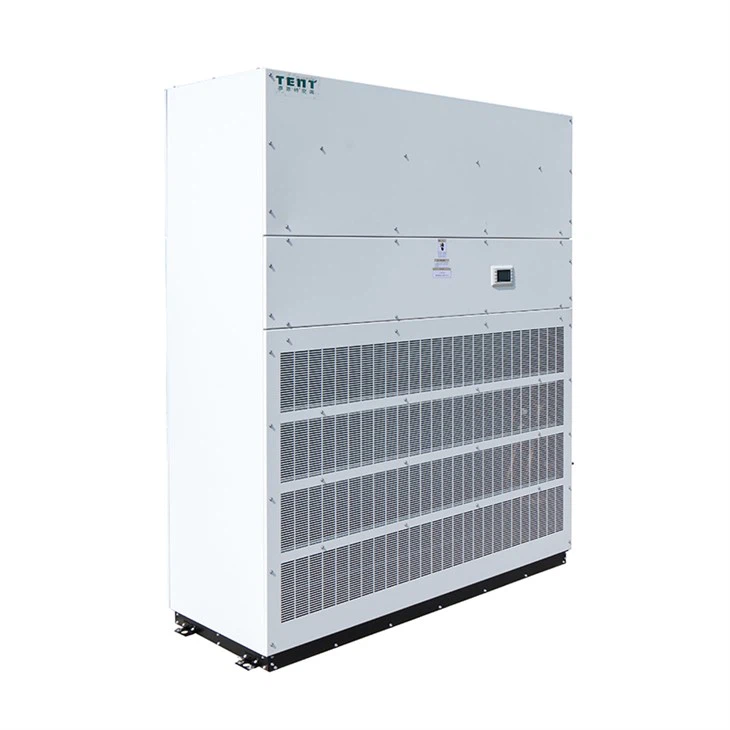
Now, let's talk about some of the different types of combined air conditioning units and how they might approach humidity control. For instance, our Vertical Cabinet Air Conditioning Unit is a great option for many commercial and industrial settings. It's designed to be powerful and efficient, with advanced humidity control features.
This type of unit often has a larger capacity for handling air volume, which means it can deal with higher levels of humidity more effectively. It also has a well - engineered evaporator and condenser system that maximizes the condensation process. The vertical cabinet design allows for better air circulation, which helps to distribute the conditioned air evenly throughout the space and maintain consistent humidity levels.
In addition to the mechanical components, software also plays a big part in humidity control. Many of our combined air conditioning units come with smart control systems that can be programmed to adjust the humidity based on different times of the day or specific usage patterns. For example, you can set the unit to maintain a lower humidity level during the day when there are more people in the space and then increase it slightly at night when the air might be drier.
Some units also have the ability to connect to a home or building automation system. This means you can control the humidity and other settings from your smartphone or other devices. It's a really convenient feature, especially if you're away from the location but still want to make sure the indoor environment is just right.
But it's not all about the technology. Proper installation and maintenance are also crucial for effective humidity control. If the unit is not installed correctly, it might not work as efficiently as it should. For example, if the ductwork is not sealed properly, air can leak out, which can affect the humidity levels in the room. Regular maintenance, such as cleaning the evaporator coils and changing the air filters, is also essential. Dirty coils can reduce the unit's ability to condense moisture, and a clogged filter can restrict air flow, both of which can lead to humidity problems.
So, if you're in the market for a combined air conditioning unit that can handle humidity like a pro, we've got you covered. Our units are designed with the latest technology and high - quality components to ensure optimal humidity control in any environment. Whether you're looking for a unit for a small office, a large commercial building, or an industrial facility, we have a solution that will fit your needs.
If you're interested in learning more about our combined air conditioning units or have any questions about humidity control, don't hesitate to reach out. We'd love to have a chat with you, discuss your specific requirements, and help you find the perfect unit for your space. Let's work together to create a comfortable and healthy indoor environment with the right humidity levels.
References
ASHRAE Handbook - HVAC Systems and Equipment. American Society of Heating, Refrigerating and Air - Conditioning Engineers.
Manufacturer's manuals for combined air conditioning units.


