

What is the impact of ceiling height on a combined air conditioning unit?
Leave a message

Hey there! As a supplier of combined air conditioning units, I've been thinking a lot about the different factors that can impact how well these units work. One factor that doesn't always get the attention it deserves is ceiling height. In this blog post, I'm going to dig into what the impact of ceiling height on a combined air conditioning unit really is.
Let's start by understanding how a combined air conditioning unit works. These units are designed to cool and de - humidify a space, providing a comfortable environment for people and protecting equipment from overheating. They take in warm air, cool it down, and then blow the cooled air back into the room. But the height of the ceiling can mess with this process in several ways.
Air Distribution
One of the most significant impacts of ceiling height is on air distribution. In a room with a low ceiling, the cooled air from the combined air conditioning unit can spread more evenly across the space. The air doesn't have far to travel before it reaches the occupants and other objects in the room. For example, in a small office with a ceiling height of around 2.4 - 2.7 meters, the air can quickly circulate from the unit, reaching every corner of the room. This means that the temperature in the room can be more consistent, and you won't have those annoying hot and cold spots.
On the other hand, in a space with a high ceiling, like a warehouse or an atrium with ceilings 6 meters or higher, the cooled air has a long way to fall. As it falls, it can mix with the warmer air in the middle and upper parts of the room. This can lead to uneven air distribution. You might find that the area near the floor is still warm while the air near the ceiling is cold. It's like having a layer of cold air sitting up there, not doing much good for the people or equipment on the ground.
Cooling Efficiency
Ceiling height also affects the cooling efficiency of a combined air conditioning unit. In a low - ceilinged room, the unit doesn't have to work as hard to cool the space. Since the volume of air to be cooled is relatively small, the unit can reach the desired temperature faster and use less energy in the process. This is great for both the environment and your wallet.
In a high - ceilinged space, though, the story is different. The combined air conditioning unit has to cool a much larger volume of air. And because of the issues with air distribution we talked about earlier, it might end up having to run for longer periods to try and cool the whole space. This means higher energy consumption and increased wear and tear on the unit. Over time, this can lead to more frequent breakdowns and higher maintenance costs.
Air Stratification
Air stratification is another problem associated with high ceilings. As the cooled air from the combined air conditioning unit falls, it can create distinct layers of air with different temperatures. The cold air sinks to the bottom, and the warm air rises to the top. This stratification can make it difficult to maintain a uniform temperature throughout the room.
To combat air stratification in high - ceilinged spaces, some combined air conditioning units are equipped with special features. For example, some units have adjustable louvers that can direct the airflow in different directions. This helps to break up the layers of air and promote better mixing. However, these features add to the cost of the unit, and they might not always be completely effective.
Considerations for Different Ceiling Heights
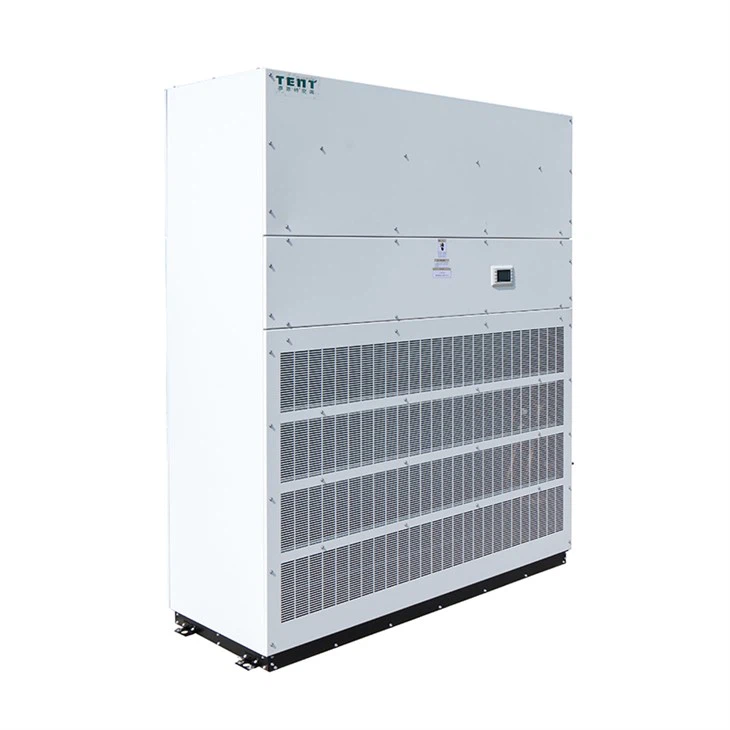
When you're choosing a combined air conditioning unit, ceiling height should be one of the first things you think about. For low - ceilinged spaces, you can go for a smaller, less powerful unit. These units are usually more energy - efficient and cost - effective. You might want to check out our Vertical Cabinet Air Conditioning Unit, which is great for small to medium - sized spaces with lower ceilings. It provides excellent air distribution and cooling performance in these environments.
For high - ceilinged spaces, you'll need a more powerful unit with features designed to deal with the challenges of air distribution and stratification. Some units come with variable - speed fans and advanced control systems that can adjust the airflow based on the temperature in different parts of the room. But keep in mind that these units will be more expensive to buy and operate.
Installation and Placement
The installation and placement of the combined air conditioning unit also depend on the ceiling height. In a low - ceilinged room, the unit can be installed at a lower height, closer to the occupants. This helps to ensure that the cooled air is delivered directly to where it's needed.
In a high - ceilinged space, the unit is often installed higher up on the wall or even on the ceiling itself. This allows the cooled air to be distributed over a larger area. However, it also means that you need to be careful about the direction of the airflow. If the air is blown straight down, it can create a draft on the floor, which might be uncomfortable for people.
Conclusion
In conclusion, ceiling height has a big impact on how well a combined air conditioning unit works. It affects air distribution, cooling efficiency, and can lead to problems like air stratification. As a supplier, I always recommend that customers take ceiling height into account when choosing a unit. Whether you have a low - ceilinged office or a high - ceilinged warehouse, there's a combined air conditioning unit out there that can meet your needs.
If you're in the market for a combined air conditioning unit and need some advice on which one is right for your space, don't hesitate to reach out. We're here to help you make the best choice for your cooling needs. Let's start a conversation and see how we can keep your space comfortable and energy - efficient.
References
- ASHRAE Handbook - Fundamentals. This handbook provides a wealth of information on HVAC systems, including how different environmental factors, like ceiling height, can impact their performance.
- Various industry research papers on air distribution and cooling efficiency in different building types with varying ceiling heights.


